Skip to content
  • facebook.com
  • twitter.com
  • t.me
  • instagram.com
  • youtube.com

Basic Computer Science

Learn the Foundations. Understand the Science Behind Computing.

Subscribe
  • Home
  • Online Tools
  • Basic Computer Science app
Posted inFeatured

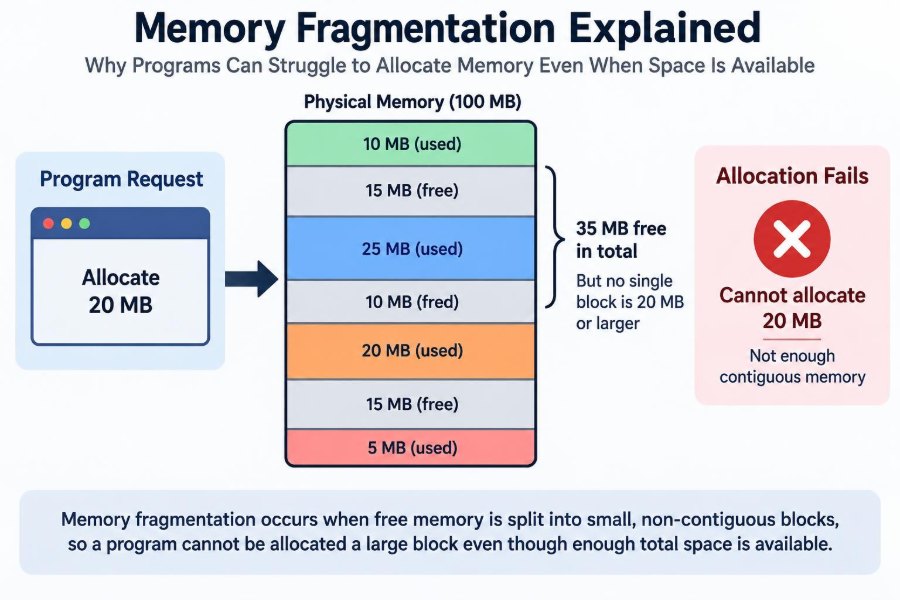
πŸ’» Memory Fragmentation Explained: Why Programs Can Struggle to Allocate Memory Even When Space Is Available

Posted by admin November 26, 2026
Continue Reading
πŸ’» Memory Fragmentation Explained: Why Programs Can Struggle to Allocate Memory Even When Space Is Available
Posted inFeatured

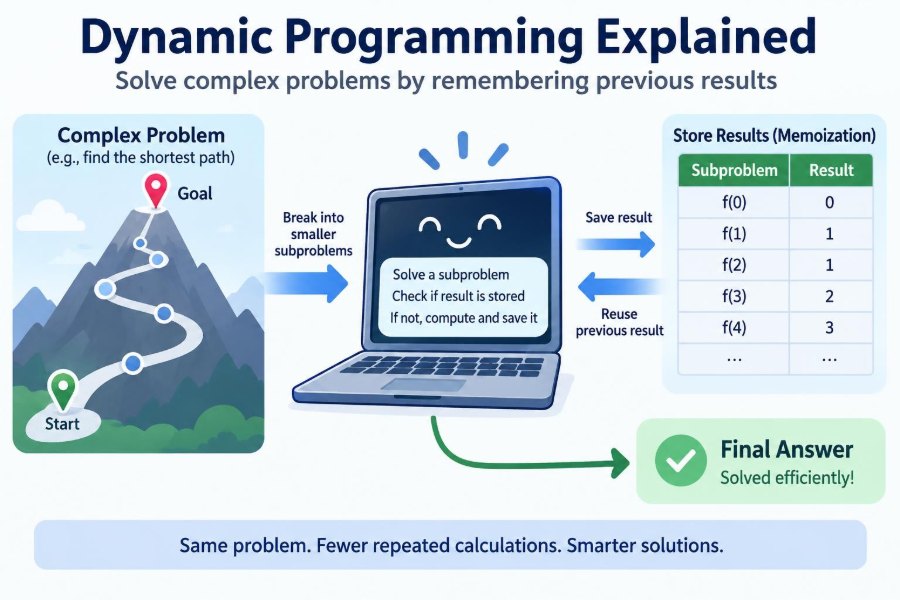
πŸ’» Dynamic Programming Explained: How Computers Solve Complex Problems by Remembering Previous Results

Posted by admin November 26, 2026
Continue Reading
πŸ’» Dynamic Programming Explained: How Computers Solve Complex Problems by Remembering Previous Results
Posted inFeatured

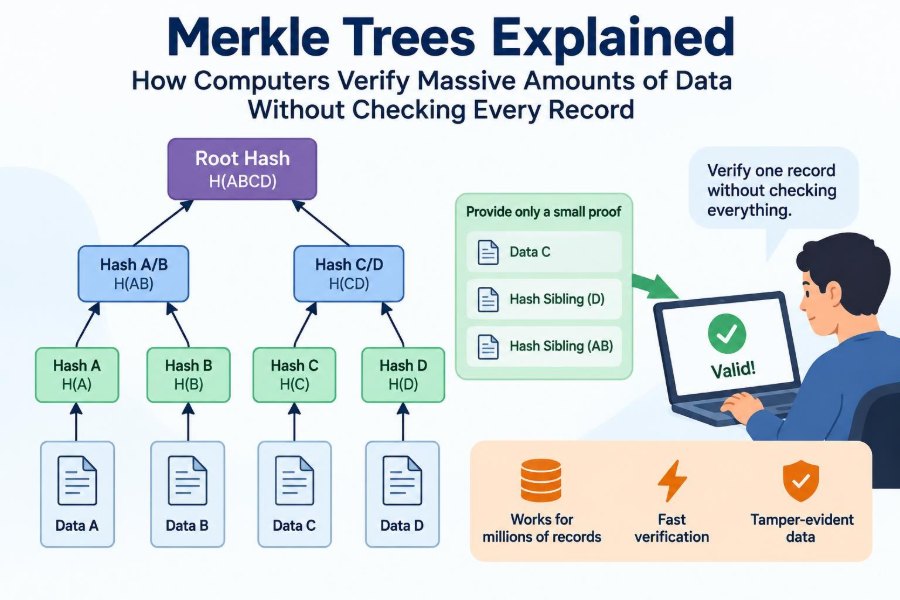
πŸ’» Merkle Trees Explained: How Computers Verify Massive Amounts of Data Without Checking Every Record

Posted by admin November 25, 2026
Continue Reading
πŸ’» Merkle Trees Explained: How Computers Verify Massive Amounts of Data Without Checking Every Record
Posted inFeatured

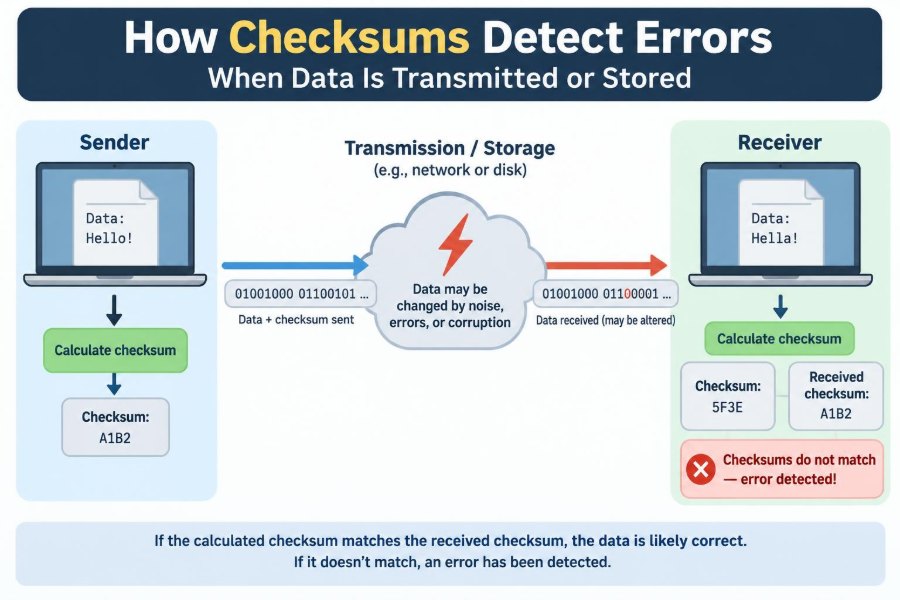
πŸ’» How Checksums Detect Errors When Data Is Transmitted or Stored

Posted by admin November 25, 2026
Continue Reading
πŸ’» How Checksums Detect Errors When Data Is Transmitted or Stored
Posted inFeatured

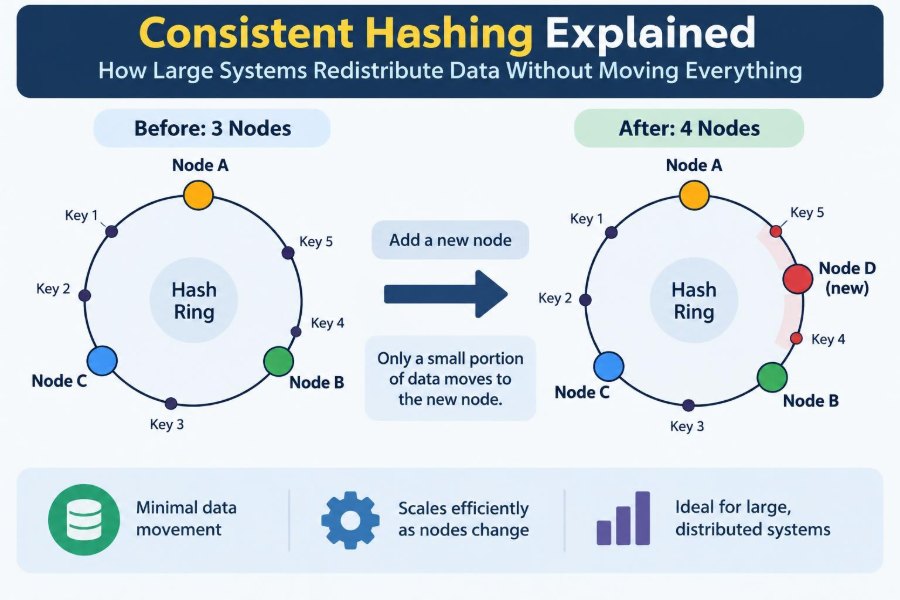
πŸ’» Consistent Hashing Explained: How Large Systems Redistribute Data Without Moving Everything

Posted by admin November 24, 2026
Continue Reading
πŸ’» Consistent Hashing Explained: How Large Systems Redistribute Data Without Moving Everything
Posted inFeatured

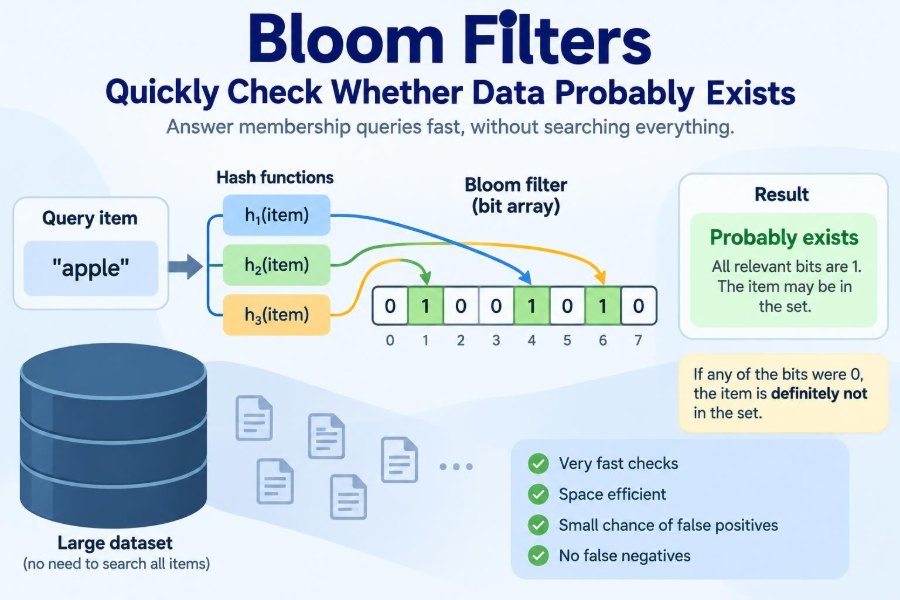
πŸ’» How Bloom Filters Quickly Check Whether Data Probably Exists Without Searching Everything

Posted by admin November 24, 2026
Continue Reading
πŸ’» How Bloom Filters Quickly Check Whether Data Probably Exists Without Searching Everything
Most Popular Post
πŸ’» Memory Fragmentation Explained: Why Programs Can Struggle to Allocate Memory Even When Space Is Available
Posted inFeatured

πŸ’» Memory Fragmentation Explained: Why Programs Can Struggle to Allocate Memory Even When Space Is Available

πŸ’» Dynamic Programming Explained: How Computers Solve Complex Problems by Remembering Previous Results
Posted inFeatured

πŸ’» Dynamic Programming Explained: How Computers Solve Complex Problems by Remembering Previous Results

πŸ’» Merkle Trees Explained: How Computers Verify Massive Amounts of Data Without Checking Every Record
Posted inFeatured

πŸ’» Merkle Trees Explained: How Computers Verify Massive Amounts of Data Without Checking Every Record

πŸ’» How Checksums Detect Errors When Data Is Transmitted or Stored
Posted inFeatured

πŸ’» How Checksums Detect Errors When Data Is Transmitted or Stored

Editor's Choice
πŸ’» Memory Fragmentation Explained: Why Programs Can Struggle to Allocate Memory Even When Space Is Available
Posted inFeatured

πŸ’» Memory Fragmentation Explained: Why Programs Can Struggle to Allocate Memory Even When Space Is Available

Posted by admin November 26, 2026
πŸ’» Dynamic Programming Explained: How Computers Solve Complex Problems by Remembering Previous Results
Posted inFeatured

πŸ’» Dynamic Programming Explained: How Computers Solve Complex Problems by Remembering Previous Results

Posted by admin November 26, 2026
πŸ’» Merkle Trees Explained: How Computers Verify Massive Amounts of Data Without Checking Every Record
Posted inFeatured

πŸ’» Merkle Trees Explained: How Computers Verify Massive Amounts of Data Without Checking Every Record

Posted by admin November 25, 2026
πŸ’» How Checksums Detect Errors When Data Is Transmitted or Stored
Posted inFeatured

πŸ’» How Checksums Detect Errors When Data Is Transmitted or Stored

Posted by admin November 25, 2026
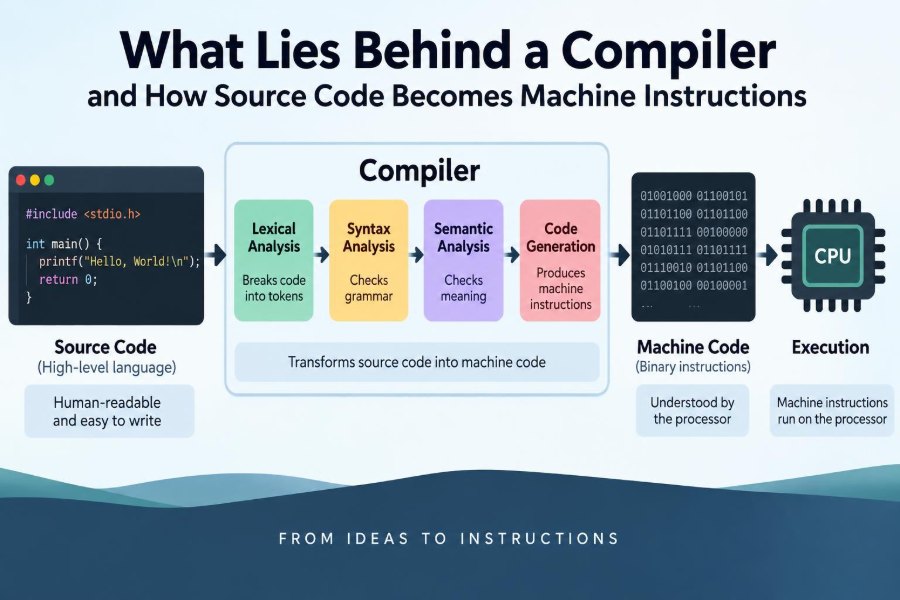
πŸ’» What Lies Behind a Compiler and How Source Code Becomes Machine Instructions
Posted inFeatured

πŸ’» What Lies Behind a Compiler and How Source Code Becomes Machine Instructions

Posted by admin November 20, 2026
Your code passes through tokens, syntax trees, optimization, linking, and loading before a CPU runs it. Follow the hidden pipeline behind every executable. βš™οΈπŸ§ πŸ”
Read More
πŸ’» Who Controls Internet Standards and How Do New Protocols Become Widely Adopted?
Posted inFeatured

πŸ’» Who Controls Internet Standards and How Do New Protocols Become Widely Adopted?

Posted by admin November 19, 2026
Protocols do not spread just because someone publishes a spec. See how the IETF, browsers, networks, testing, and compatibility shape the rules behind your connection. πŸ’»πŸ”’πŸ€
Read More
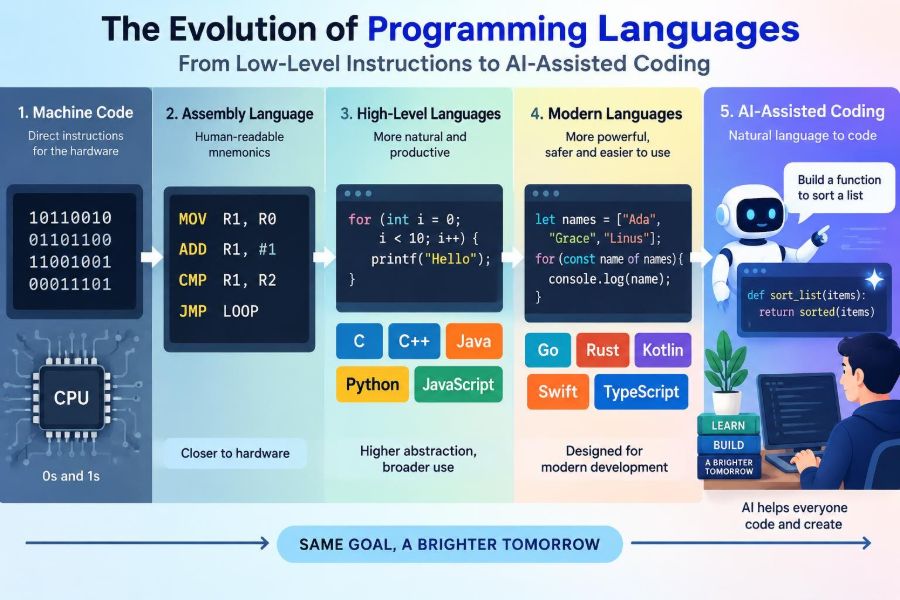
πŸ’» The Evolution of Programming Languages: From Low-Level Instructions to AI-Assisted Coding
Posted inFeatured

πŸ’» The Evolution of Programming Languages: From Low-Level Instructions to AI-Assisted Coding

Posted by admin November 19, 2026
Trace the path from machine code and assembly to modern languages, frameworks, and AI coding toolsβ€”plus the skills developers still need to verify every result. πŸ§ βš™οΈπŸš€
Read More
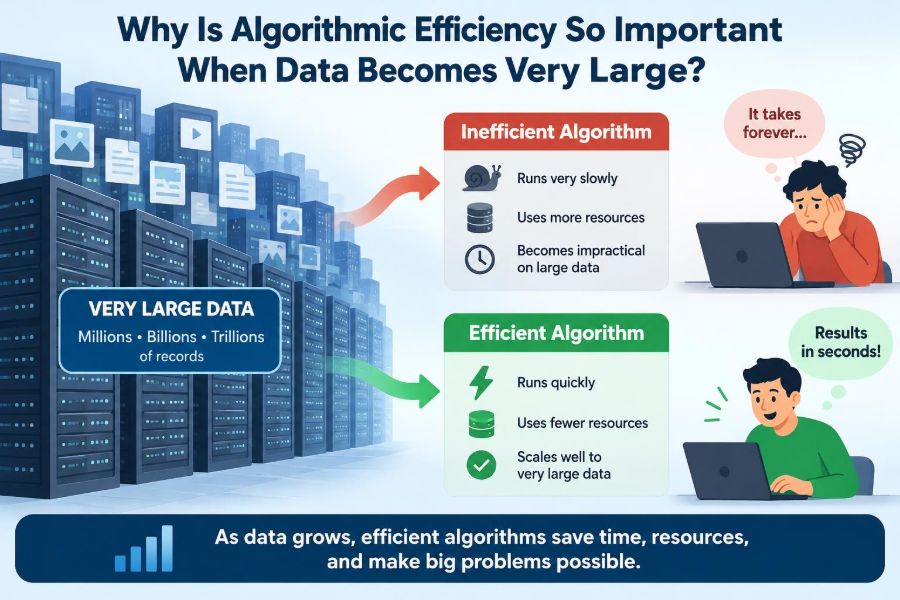
πŸ’» Why Is Algorithmic Efficiency So Important When Data Becomes Very Large?
Posted inFeatured

πŸ’» Why Is Algorithmic Efficiency So Important When Data Becomes Very Large?

Posted by admin November 16, 2026
A method that feels instant on small data can fail at scale. Learn Big O, data structures, caching, and the trade-offs behind faster systems. πŸ“ˆπŸ§ βš™οΈ
Read More
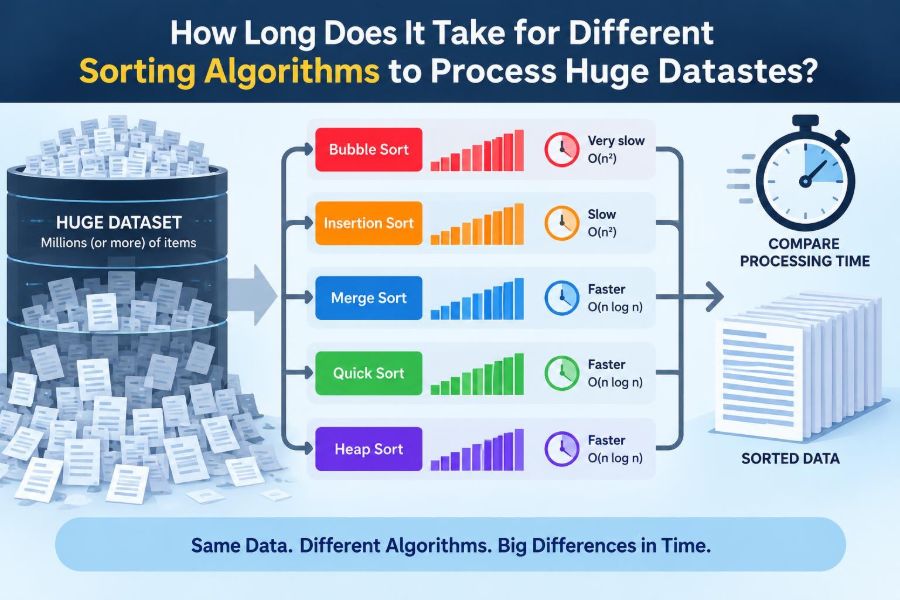
πŸ’» How Long Does It Take for Different Sorting Algorithms to Process Huge Datasets?
Posted inFeatured

πŸ’» How Long Does It Take for Different Sorting Algorithms to Process Huge Datasets?

Posted by admin November 15, 2026
From quicksort and mergesort to disk-based external sorting, learn what actually determines runtime at scaleβ€”and how to choose without guessing. πŸ“Šβš™οΈπŸ’Ύ
Read More
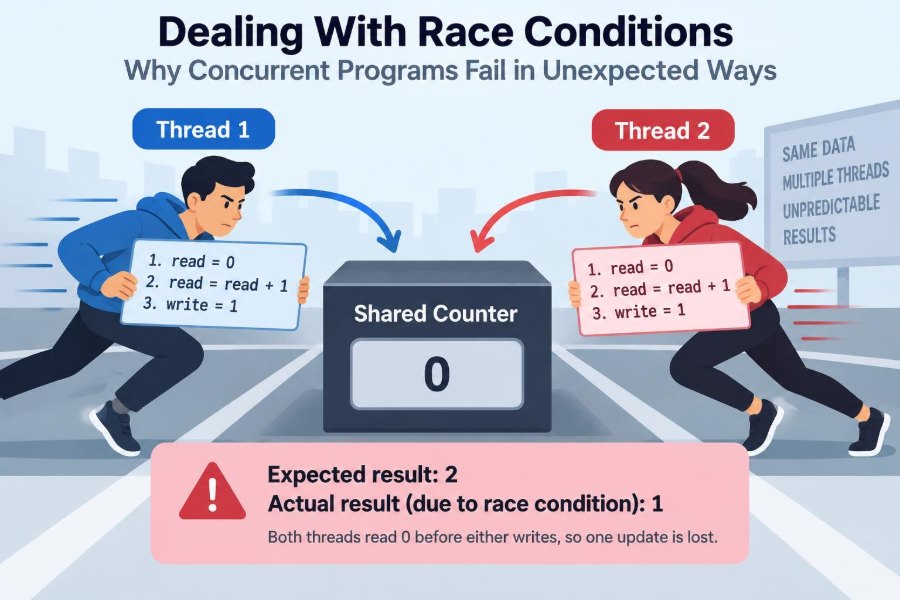
πŸ’» Dealing With Race Conditions: Why Concurrent Programs Fail in Unexpected Ways
Posted inFeatured

πŸ’» Dealing With Race Conditions: Why Concurrent Programs Fail in Unexpected Ways

Posted by admin November 15, 2026
A tiny timing gap can lose updates, duplicate work, or corrupt shared state. Learn to spot race conditions and choose locks, transactions, or safer designs. πŸ§΅πŸ”’βš™οΈ
Read More
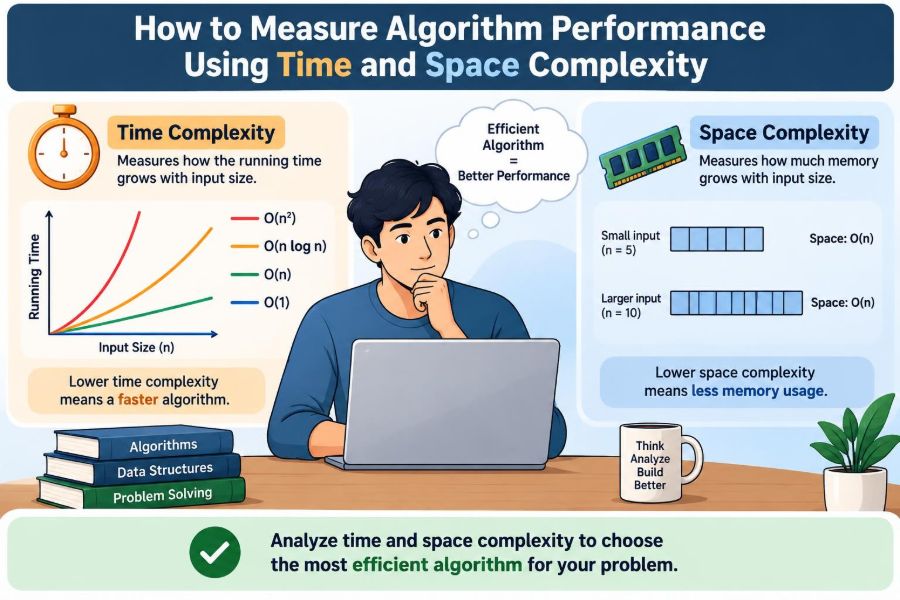
πŸ’» How to Measure Algorithm Performance Using Time and Space Complexity
Posted inFeatured

πŸ’» How to Measure Algorithm Performance Using Time and Space Complexity

Posted by admin November 14, 2026
Learn to read Big O, spot costly loops, account for memory, and test real code wisely. Turn algorithm performance from a mystery into a practical skill. πŸ“ŠπŸ§ βš™οΈ
Read More
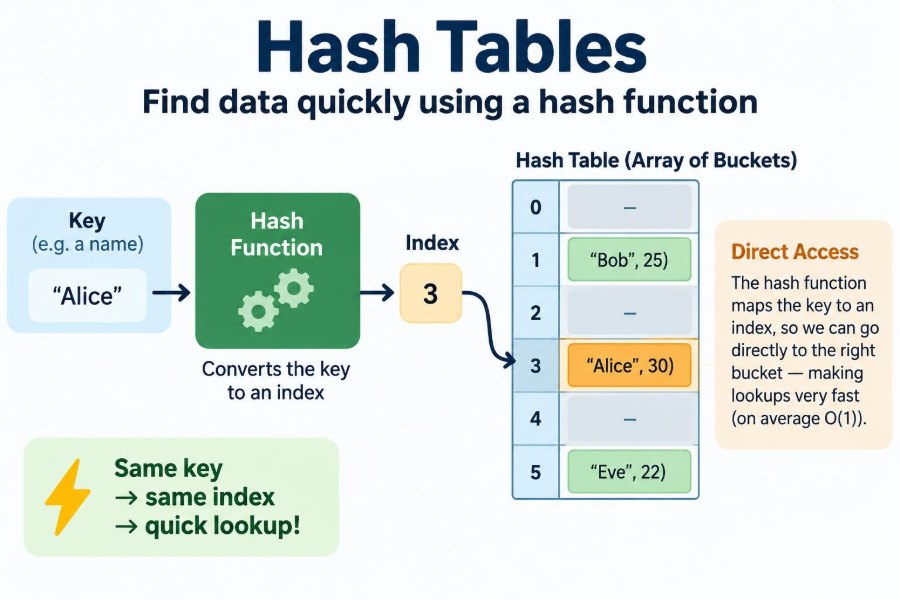
πŸ’» Understanding Hash Tables and Why They Can Find Data So Quickly
Posted inFeatured

πŸ’» Understanding Hash Tables and Why They Can Find Data So Quickly

Posted by admin November 12, 2026
A hash table turns a key into a fast path to dataβ€”but collisions, load factor, and resizing shape the real story. Learn the mechanism behind average O(1) lookup. πŸ”‘βš‘πŸ§ 
Read More
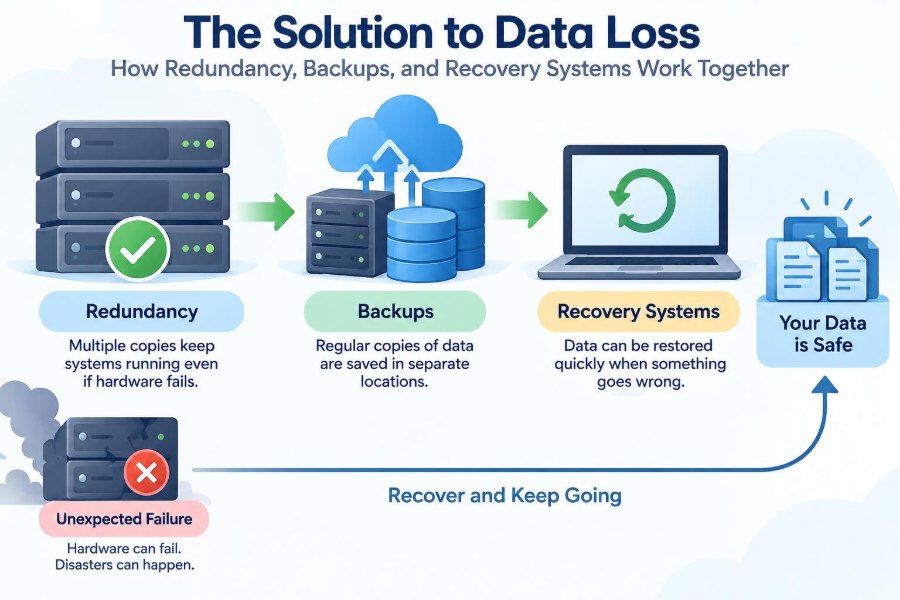
πŸ’» The Solution to Data Loss: How Redundancy, Backups, and Recovery Systems Work Together
Posted inFeatured

πŸ’» The Solution to Data Loss: How Redundancy, Backups, and Recovery Systems Work Together

Posted by admin November 12, 2026
RAID, cloud sync, and backups solve different problems. Learn how redundancy, protected copies, and recovery drills work together to keep data recoverable. πŸ”πŸ“¦βœ…
Read More
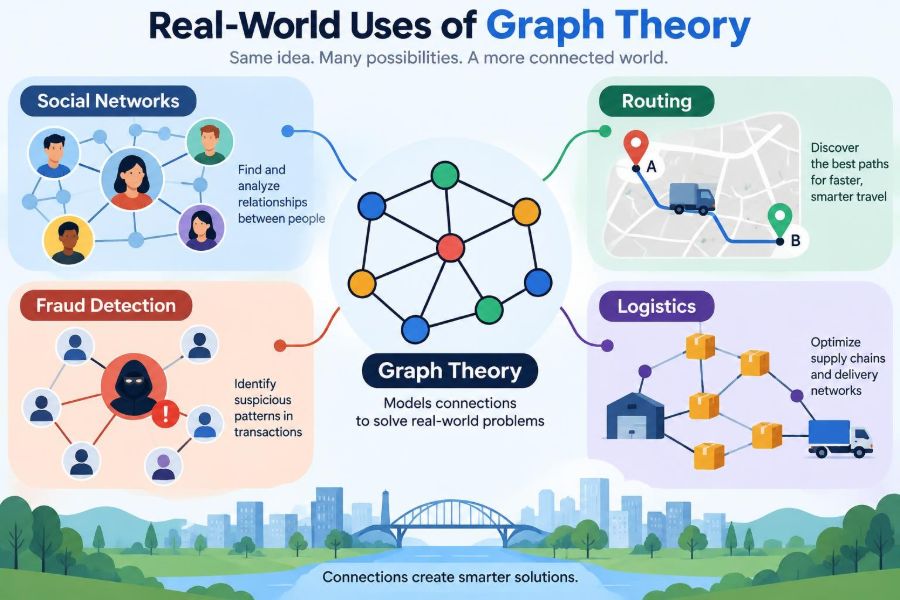
πŸ’» Real-World Uses of Graph Theory in Social Networks, Routing, Fraud Detection, and Logistics
Posted inFeatured

πŸ’» Real-World Uses of Graph Theory in Social Networks, Routing, Fraud Detection, and Logistics

Posted by admin November 11, 2026
Follow the connections behind friend suggestions, navigation routes, suspicious transactions, and supply chains. Learn the graph ideas that make these systems work. πŸ—ΊοΈπŸššπŸ”
Read More

Posts pagination

Previous page 1 2 3 4 … 51 Next page

Recent Posts

  • πŸ’» Memory Fragmentation Explained: Why Programs Can Struggle to Allocate Memory Even When Space Is Available
  • πŸ’» Dynamic Programming Explained: How Computers Solve Complex Problems by Remembering Previous Results
  • πŸ’» Merkle Trees Explained: How Computers Verify Massive Amounts of Data Without Checking Every Record
  • πŸ’» How Checksums Detect Errors When Data Is Transmitted or Stored
  • πŸ’» Consistent Hashing Explained: How Large Systems Redistribute Data Without Moving Everything

Recent Comments

No comments to show.

Archives

  • November 2026
  • October 2026
  • September 2026
  • August 2026
  • June 2025
  • April 2025
  • March 2025
  • February 2025
  • August 2023
  • January 2022
  • November 2021
  • October 2021
  • July 2021

Categories

  • Advanced
  • Algorithms
  • Artificial Intelligence
  • Basics
  • Cloud Computing
  • Compiler Design
  • Computer Hardware
  • Cyber Security
  • Distributed Systems
  • Featured
  • Internet Programming
  • Mobile Computing
  • Networking
  • Programming
  • Tech Reviews
  • Technology & Innovation
  • Uncategorized
You May Have Missed
πŸ’» Memory Fragmentation Explained: Why Programs Can Struggle to Allocate Memory Even When Space Is Available
Posted inFeatured

πŸ’» Memory Fragmentation Explained: Why Programs Can Struggle to Allocate Memory Even When Space Is Available

Posted by admin November 26, 2026
πŸ’» Dynamic Programming Explained: How Computers Solve Complex Problems by Remembering Previous Results
Posted inFeatured

πŸ’» Dynamic Programming Explained: How Computers Solve Complex Problems by Remembering Previous Results

Posted by admin November 26, 2026
πŸ’» Merkle Trees Explained: How Computers Verify Massive Amounts of Data Without Checking Every Record
Posted inFeatured

πŸ’» Merkle Trees Explained: How Computers Verify Massive Amounts of Data Without Checking Every Record

Posted by admin November 25, 2026
πŸ’» How Checksums Detect Errors When Data Is Transmitted or Stored
Posted inFeatured

πŸ’» How Checksums Detect Errors When Data Is Transmitted or Stored

Posted by admin November 25, 2026
Copyright 2026 — Basic Computer Science. All rights reserved. Bloghash WordPress Theme
Scroll to Top